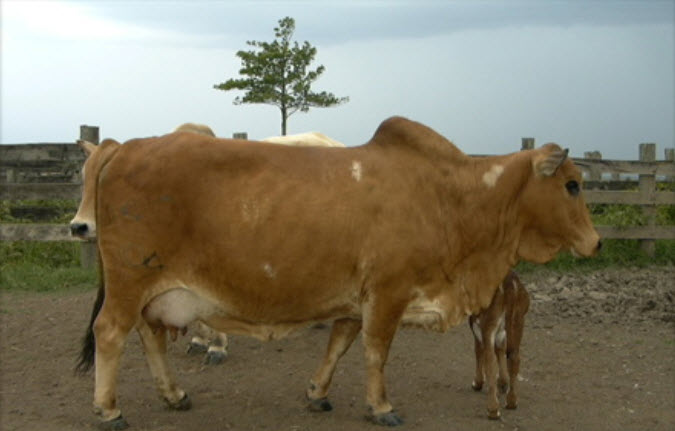
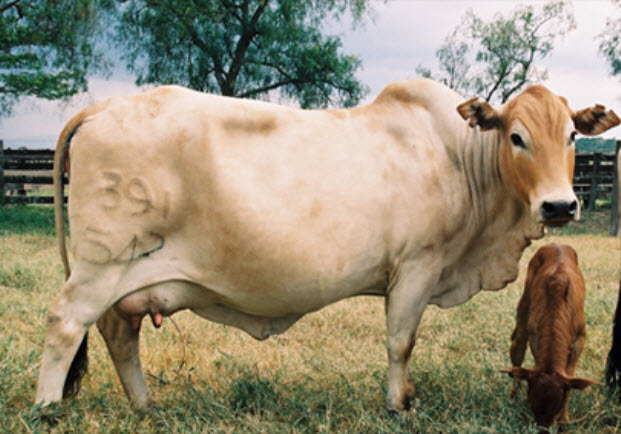
The latest International Embryo Transfer Society (IETS – www.iets.org) data on in vitro fertilization indicates that of the worlds in vitro fertilized embryos that were transferred into cows, 87.5% were transferred in South America (more than 85% of which were transferred in Brazil). This made for a logical partner for Fonteine Borans. The advantages for IVF over regular in vivo embryo collection and transfer are numerous: 1) the interval between flushes can be largely reduced and the number of viable embryos per year can be significantly increased; 2) females do not need to be taken out of production to perform IVF and may even be pregnant during oocyte retrieval; 3) there is a significant reduction on the reliance of super stimulation hormones used for in vivo production of embryos; 4) the potential for the use of sexed-sorted sperm to generate embryos of a desired sex and a reduced cost; and, 5) once the laboratory has been established, embryos may be generated at a lower cost than in vivo embryos. Therefore, the technology provides an avenue for faster genetic improvement of South African livestock. |